
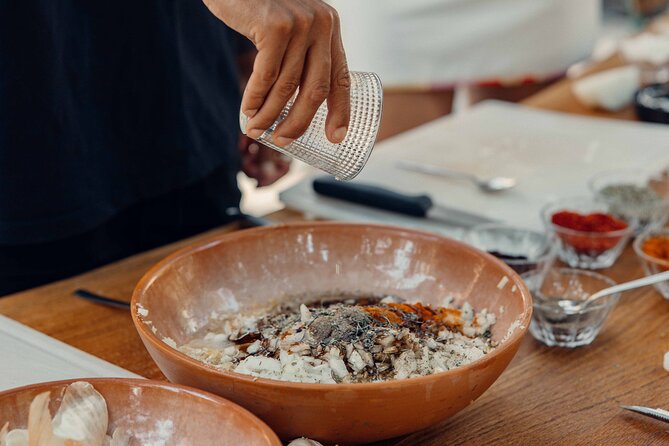
Reviewed · WORKSHOPS
Cooking Class at Exclusive Kings Valley
A kitchen class in Cappadocia with fresh air. That is the magic here, in King’s Valley of Kelebek, where you cook Turkish favorites with local village women and then eat the results. I love the small group feel and the hands-on market shopping that makes the whole day feel personal, not packaged. One watch-out: the timing is fixed around the 10:30 am start, so plan your other activities with a little breathing room.
What I like most is how much you do, not just what you watch. You pick up ingredients at an organic farmer’s market, then you step into a valley setting with serious views and cook your lunch right there, step by step. I also like that you are guided in English, so you can actually connect the technique to what you are eating.
The only drawback to think about is physical comfort. You will be in outdoor areas, and you may do a short walk down into the valley before cooking, so comfortable shoes matter. If you hate any walking at all, this might feel like too much movement for a food class.
In This Review
- Key highlights you will feel right away
- Entering King’s Valley: where the day starts to feel special
- Pickup and the morning flow around the 10:30 am start
- Organic market shopping: your first real lesson in Turkish cooking
- Cooking with village women: what you actually learn
- Skills to focus on (so you can repeat it at home)
- Lunch on the patio: eating in the same place you worked
- Guides and group size: small numbers, real help in English
- Price and value: is $129.31 fair for what you get?
- What to wear, what to bring, and how to prep
- Who this is perfect for, and who should think twice
- Should you book Cooking Class at Exclusive Kings Valley?
- FAQ
- What time does the cooking class start?
- How long is the experience?
- Do you offer hotel pickup in Cappadocia?
- What language is the class conducted in?
- How many people are in the group?
- What dishes are included in the menu?
- Is lunch included?
- What should I wear?
- Can I cancel for a full refund?
Key highlights you will feel right away
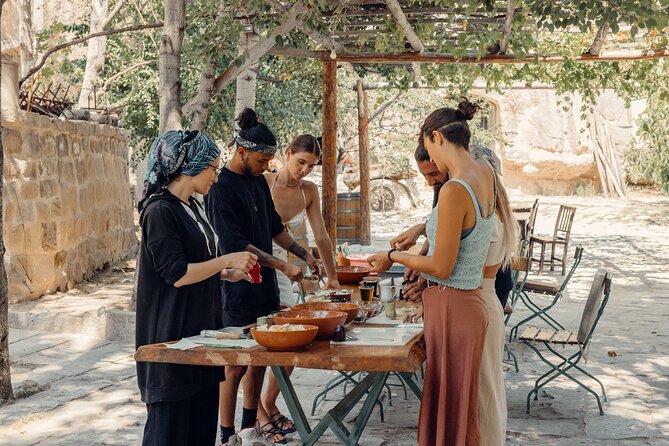
- King’s Valley of Kelebek setting, with valley views that make the cooking feel like an outing
- Organic farmer’s market shopping before you cook, so lunch starts with ingredients you chose
- Local village women as your instructors, with a warm, home-style teaching approach
- Limit of about 10 people (max 12), which keeps questions flowing and tasks shared
- Lunch included, made from the dishes you prepare, plus a regional dessert
Other things worth adding near Goreme
- Cappadocia Cooking Class★ 5.0 · 29 reviews
- Cappadocia Home Cooking Experience★ 5.0 · 11 reviews
- Cooking Class at Exclusive Kings Valley★ 5.0 · 1 review
Entering King’s Valley: where the day starts to feel special
You begin in Goreme, then head into the famous valleys around Cappadocia, specifically King’s Valley of Kelebek. The setting is part of the experience, not a background detail. Even before you cook, the morning has that slow, scenic rhythm that makes food taste better.
A big reason this works: you are not learning Turkish cooking in a sterile classroom. You are learning in a space connected to the land, where the pace is practical and the vibe is human. That is how you end up remembering what to do, not just what something tastes like.
And yes, views matter. One of the most-cited moments is seeing the area around Uçhisar Castle while you are picking ingredients. If you have ever wished your meal came with a story, this adds that in a natural way.
Pickup and the morning flow around the 10:30 am start
This is built around a 10:30 am start time. You get hotel pickup from anywhere in Cappadocia, so you do not have to figure out a separate meeting point. The day runs about 4 hours, so it fits well between other sightseeing plans.
After pickup, you drive to the valley area. Then you head into the property and cooking area, with a short walk down into the valley along the way. That walk is not described as long, but it is enough that you should dress for outdoor steps and uneven ground.
Once you arrive, the structure is straightforward:
1) you shop for ingredients
2) you learn the cooking steps
3) you eat what you made
4) you leave full, not just fed
If your morning tours tend to run late, this one is still timed. I suggest building in buffer time the night before and keeping breakfast light enough that you enjoy lunch instead of feeling stuffed early.
Organic market shopping: your first real lesson in Turkish cooking
Before you touch a pot, you shop for ingredients at a local organic farmer’s market. This is one of the most praised parts for a reason. When you select ingredients yourself, you understand what matters: freshness, herbs, vegetables, and the small choices that change a dish.
In the best-case scenario, you might also see extra food production details on site. For example, one experience includes learning how grape molasses is made, which turns into useful context for Turkish sweets and sauces. On certain days, you may even catch locals making bread, which gives you a glimpse of everyday food culture rather than just holiday cooking.
What you should expect from the market phase is not a long lecture. It is active shopping with guidance, then translation into cooking tasks. You learn what you are buying and why it is used in Turkish dishes.
Bring your curious brain. Ask what spice goes where, what vegetable is best for a filling, and how to tell when something is done. If you do that, you will get more out of lunch than just a full plate.
Learn something with your hands here
- Cappadocia: Perfume Making Workshop with +90 Essences
★ 5.0 · 259 reviews - Cappadocia Pottery Workshop Class
★ 5.0 · 191 reviews - Cappadocia: Turkish Mosaic Lamp Workshop in Göreme – All Included
★ 5.0 · 139 reviews - Sand-Brewed Turkish Coffee Workshop in Cappadocia
★ 5.0 · 64 reviews
Cooking with village women: what you actually learn
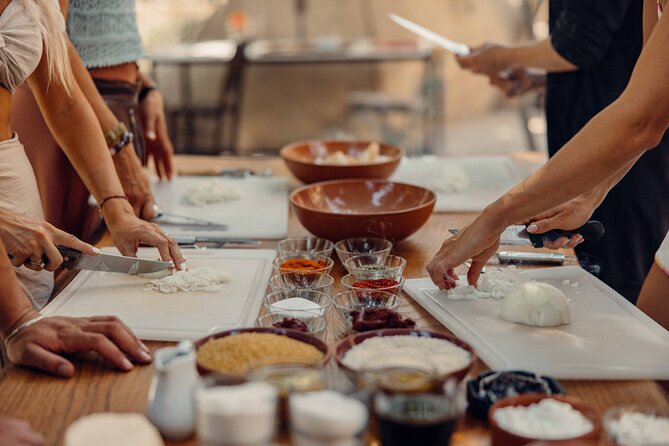
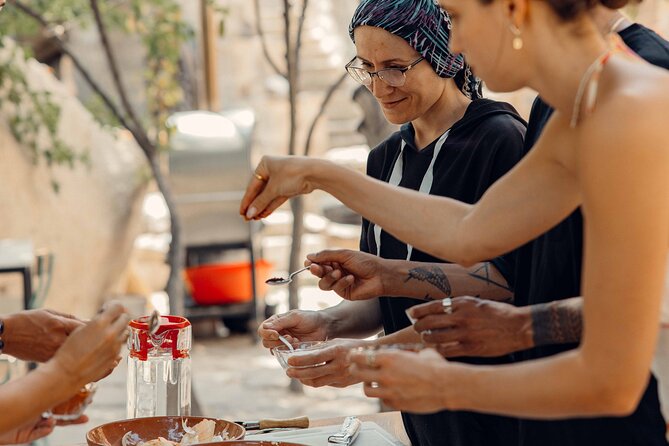
The cooking class is taught with local village women, which is the heart of the “authentic” feel. English support is offered, and the guide or translator helps you understand steps even when the women teaching do not speak much English. In one example, an instructor with a lot of personality did not speak English, yet teaching still worked through warmth, gestures, and step-by-step help.
You will cook a menu that includes:
- Lentil or yogurt soup
- potato salad
- salad
- stuffed peppers and eggplant dishes (listed as egg plats)
- chickpeas
- a regional dessert
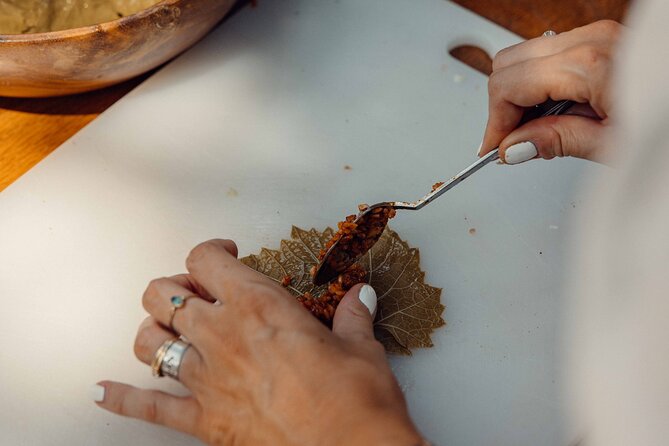
On top of that base, some groups report cooking additional traditional dishes like sarma (stuffed grape leaves) and halva. So if you love variety, this class can deliver more than the “starter, main, dessert” template.
Skills to focus on (so you can repeat it at home)
This class is hands-on, so you are not just tasting. Here is what I think you will walk away with, if you pay attention:
- How Turkish dishes balance yogurt, herbs, and tang
- How to assemble fillings for stuffed vegetables
- How chickpeas are seasoned and treated for proper texture
- How to tell when soup and mains are ready without guessing
One practical perk: instructions are step by step, and you can jot down notes. In one case, the teaching team did not hand out recipe notes, but they explained clearly enough that a guest could take their own written steps. That is a good sign. You are getting process, not just a finished plate.
Lunch on the patio: eating in the same place you worked
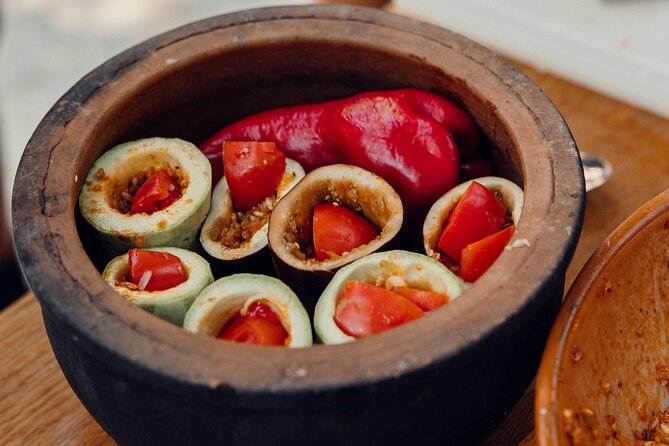
Lunch is included, and it is built around the dishes you prepared. That sounds obvious, but it is actually a big quality signal. It means you see what the cooking choices do in real time, like texture changes in stuffed vegetables or how soup thickness turns out.
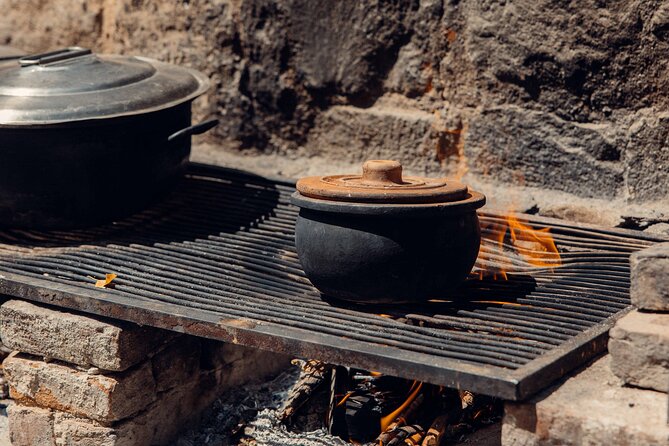
The dining setup often has an outdoor patio feel. Weather controls whether you cook outside under vines or shift inside. When it is nice, you cook in the open-air space and eat nearby, which keeps the day light and relaxed.
A few small moments can make lunch memorable:
- You might be offered a drink while waiting for something to cook, like a glass of wine.
- You can often stroll around the property and see farm animals, which adds a “stay on site” mood.
- If the group moves at a calm pace, you get time to chat and learn small cultural details.
If you are hoping for a quiet break from constant sightseeing, this lunch format helps. You are not rushing from place to place, and you do not feel like you are being hurried through a demo.
Guides and group size: small numbers, real help in English
The group limit is part of the value. The experience is typically capped at 10 participants for intimacy, with a maximum of 12 travelers. That smaller number matters because cooking is active. More people means longer waiting for your turn, and questions get lost. Here, you should get enough hands-on time to feel like you cooked.
English is offered, and the guide support can be key to smoothing anything language-related. In examples, guides and translators like Kadir and Seçil were highlighted for making the day work smoothly. If an instructor does not speak English, you can still expect translation and guidance.
One more detail that shows up in real experiences: sometimes you get a private or nearly private class when the group is tiny. If you are traveling as a couple or solo, that can turn your 4-hour class into a more personal coaching session. Even when you are not that lucky, the group size keeps the energy calm.
Price and value: is $129.31 fair for what you get?
At $129.31 per person for about 4 hours, you are paying for more than a recipe lesson. You are paying for:
- Hotel pickup
- organic market ingredient shopping
- instruction from local village women
- the cooking time and guidance
- a full lunch made from the dishes you prepare
- English support
That makes the price feel more like a day experience than a quick class. If you compare it to paying for lunch plus a standalone market visit plus a cooking workshop, the bundled feel is where the value sits.
Also, the cap on group size is not a marketing gimmick. When you have fewer people, you get more direct help with technique. That is harder to recreate on your own, and it is exactly where your money goes.
If you are the kind of traveler who remembers meals, likes skills you can reuse, and enjoys seeing food culture up close, the cost starts to feel reasonable fast.
What to wear, what to bring, and how to prep
You do not need special gear, but you do need comfort. The tour recommends comfortable clothes and shoes, and that is smart given the valley setting and outdoor time.
Here is what I would do before you go:
- Wear shoes you can walk in on uneven ground
- Bring a light layer for outdoor time in the valley
- Use sunscreen and consider a hat if you burn easily
- Keep your phone handy for the market and valley views, but be ready to focus on cooking
If you do not like getting a little warm or dusty, dress accordingly. Cooking stations can be close to kitchen activity, and you will probably be standing, tasting, and adjusting while learning.
Who this is perfect for, and who should think twice
This class is a great fit if:
- you want an authentic Turkish meal that you can recreate
- you like small-group experiences with real people teaching
- you enjoy food culture as much as sightseeing
- you want lunch included without hunting for a restaurant later
It might be less ideal if:
- you dislike any walking, even a short valley walk
- you want a totally indoors, zero-visual-experience class
- you prefer a strict, written recipe packet with exact measurements, since notes may not always be provided and teaching is more step based
That said, even if you are not a confident home cook, the step-by-step approach makes this forgiving. Your goal here is skill plus understanding, not perfection.
Should you book Cooking Class at Exclusive Kings Valley?
If you are in Goreme and you want a break from constant touring, book it. This experience gives you a farm-to-table style morning, a small group cooking session, and a lunch you helped make, in a valley setting that feels way more “local” than most cooking classes.
I would especially recommend it if you love Turkish food and you want to learn the method, not just eat the outcome. The English support, the village-women instruction, and the market shopping combo make it worth the price for people who care about what goes into a dish.
If you show up comfortable in walking shoes and ready to cook hands-on, you should leave with full stomachs and better instincts for Turkish flavors back home.
FAQ
What time does the cooking class start?
The start time is 10:30 am.
How long is the experience?
It lasts about 4 hours.
Do you offer hotel pickup in Cappadocia?
Yes. Pickup is offered from any hotel in Cappadocia.
What language is the class conducted in?
The experience is offered in English.
How many people are in the group?
The experience has a limit of 10 participants and a maximum of 12 travelers.
What dishes are included in the menu?
You can expect soup (lentil or yogurt soup), potato salad, salad, stuffed peppers and eggplant dishes, chickpeas, and a regional dessert.
Is lunch included?
Yes. You eat a lunch made from the dishes you prepare.
What should I wear?
Comfortable clothes and shoes are recommended, since you will spend time outdoors in the valley area.
Can I cancel for a full refund?
Yes, free cancellation is offered. You can cancel up to 24 hours in advance for a full refund. If you cancel less than 24 hours before the start time, the amount paid is not refunded.
Newest bookings in Goreme


Workshops, compared.
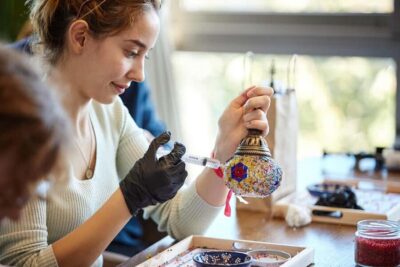
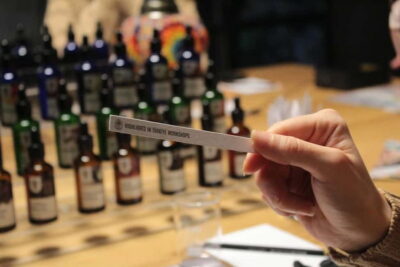
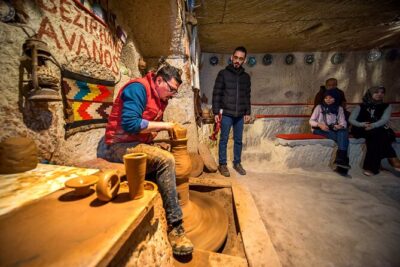
Turkish Mosaic Lamp Workshop in Göreme – All Included
Read our review →
Turkish Coffee Workshop on Sand & Fortune + Gift
Read our review →Browse the lists this tour appears in