
Reviewed · WINE TOURS
Cappadocia Wine Tasting Experience
Fairy chimneys, then wine tasting. I love the chance to tour rock-cut cellars and meet winemakers, and I love how the tasting ties into Cappadocia’s local grapes and food pairings. The only real drawback is the time limit, about 1 hour, so it is more of a focused sampler than a long winery day.
You’ll be in and around Göreme’s world of fairy chimneys and cave dwellings, with panoramic valley views built into the experience. The tour runs in English and uses a mobile ticket, which makes it easy to roll straight into the stop. Also, the group stays small, with a max of 15 travelers.
If you want a guided taste of Cappadocia culture without getting stuck in a half-day schedule, this fits nicely. Just plan to be at the start point in Avanos (not Göreme’s center), then let the guide do the connecting dots for you.
In This Review
- Quick hits before you go
- Entering the Salkım Şarap Evi stop in Avanos
- The one-hour flow, and how it changes your expectations
- Inside Cappadocia’s winemaking story: cellars carved in soft rock
- What you taste: indigenous varieties and a regional selection
- Pairing with local cheeses and delicacies
- Cappadocia terroir in plain terms, and why it affects the tasting
- Valley views, fairy chimneys, and why the scenery is more than decoration
- Price, group size, and whether $78.09 is fair value
- What to look for in your guide and how to get more out of the tasting
- Who this Cappadocia wine tasting works best for
- Should you book Cappadocia Wine Tasting Experience?
- FAQ
- How long is the Cappadocia wine tasting experience?
- Where does the tour start and where does it end?
- Is the tour offered in English?
- How many people are in the group?
- What wines or grape varieties are included?
- Is free cancellation available?
Quick hits before you go
- Small group, max 15 travelers, so questions and pacing do not get swallowed up
- Rock-cut cellars and behind-the-scenes winery time, not just standing in a shop
- Indigenous grape tastings like Kalecik Karası, Emir, and Öküzgözü
- Cheese and local delicacies paired alongside the wine samples
- Valley panoramas that help you understand what makes Cappadocia’s wine setting different
Other things worth adding near Goreme
- Cappadocia Half-Day Fairy Chimneys Guided Tour with Wine Tasting★ 5.0 · 106 reviews
- Wine Tasting in Cappadocia Turkey – Introduction of local wines★ 5.0 · 43 reviews
- Underground city tour & optional wine tasting★ 5.0 · 16 reviews
Entering the Salkım Şarap Evi stop in Avanos
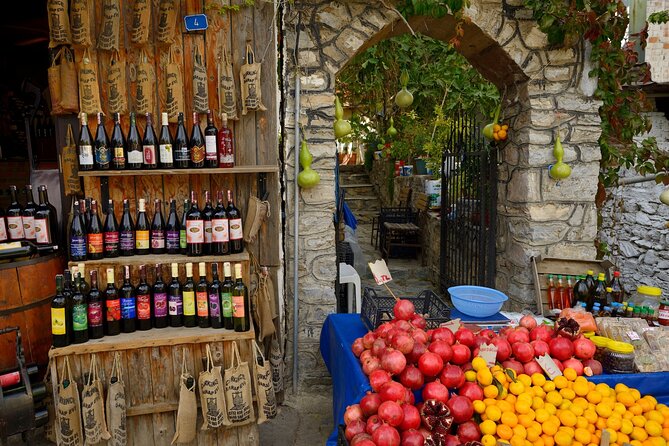
This experience is built around one main tasting stop in the Cappadocia area, starting at Salkım Şarap Evi, Wine House, Yukarı, Edip Akbayram Sk. No:60, 50100 Avanos/Nevşehir. The activity ends back at the same starting point, so you are not left guessing where to go next.
Even though the tour is marketed for the Göreme area, this meeting address points you toward Avanos. That matters because a wine tasting only works if you arrive relaxed. If you are staying in Göreme, give yourself extra time to get to Avanos and avoid rushing. A lot of Cappadocia tours run on tight timing, and you will feel it more when the total experience is only about 1 hour.
The good news: the tour notes it is near public transportation. That is helpful if you want flexibility on how you get to the start. And because it is a mobile-ticket setup, you typically do not waste time on paper confirmations.
Value-wise, the one-stop approach is the point. You are paying for a guided structure, a tasting program, and the storytelling that connects winemaking to Cappadocia’s terrain. If you were hoping to hop between multiple wineries for a long afternoon, this is not that kind of tour. Think “guided tasting stop with context,” not “all-day wine itinerary.”
The one-hour flow, and how it changes your expectations
A lot of wine tours fail because they try to do everything. Here, the time box is clear: about 1 hour. That means the guide has to be efficient, and you should show up ready to taste, listen, and ask questions.
Here is how you can think about the pacing before you arrive:
- You start with orientation at the winery setting (at Salkım Şarap Evi).
- You move into the winery experience, including cellar time.
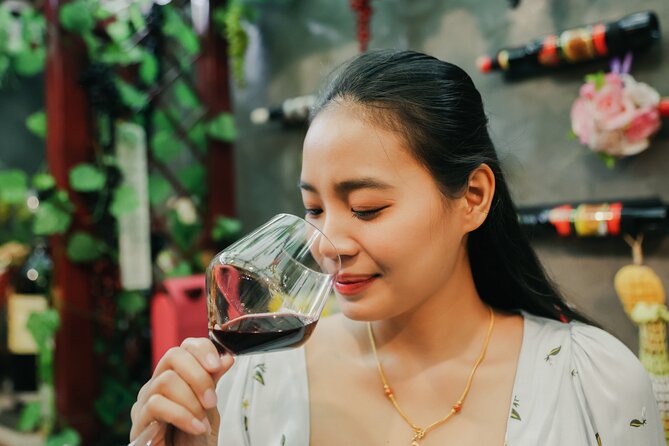
- You taste a curated selection of regional wines.
- You finish with cheese and local delicacies, plus the scenery moments the tour includes.
The upside is that you get a “complete story arc” without tiring yourself out. The downside is that you cannot expect the same level of free time you might get on a longer, self-paced visit.
For me, this kind of format is ideal when you are balancing a full Cappadocia trip. You may also be doing other must-dos like hikes, open-air museum time, or balloon viewing. This wine stop becomes a smart add-on: short enough to fit, focused enough to be memorable.
English is offered, which matters because wine tasting is easier when you can follow the explanations. Also, the tour keeps the group to 15 travelers, which typically supports a more conversational feel during quick moments.
Inside Cappadocia’s winemaking story: cellars carved in soft rock
One of the most compelling parts of this experience is the way it goes behind the scenes. The tour is designed to take you to boutique wineries and show you the winemaking process through a lens that feels local, not generic.
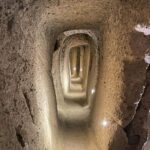
A key highlight is the cellar component. You will tour cellars carved into soft rock. That detail is not just a cool photo opportunity. It gives you a practical reason why Cappadocia wine works in this region. Rock-cut spaces are naturally suited to storing wine by creating stable conditions compared to outside weather swings.
The guide also takes you into the story behind the people who make the wine. The tour describes meeting winemakers and learning about the history and revival of winemaking in Cappadocia. That revival angle is especially valuable because it shifts the conversation from “old-world tradition” to “how this region kept the practice alive and rebuilt it.”
If you like learning how a place evolved, this part is where the tour earns its place. It turns tasting into a small lesson you can carry with you when you look at the scenery afterward.
I also like that this experience is not positioned as a sterile wine lecture. It is presented as a guided walk through places where winemaking actually happens. That is a big difference if you want your trip to feel grounded in real production, not just marketing.
Cappadocia's volcanic soil grows more than fairy chimneys
- Cappadocia Balloon Ride with Breakfast, Champagne AT GOREME OVER
★ 5.0 · 523 reviews - Cappadocia Hot Air Balloon with Pickup, Breakfast & Champagne
★ 4.5 · 117 reviews - Cappadocia Hot Air Balloon Ride with Breakfast and Champagne
★ 4.5 · 27 reviews - Hot Air Balloon Flight in Cappadocia with Champagne
★ 4.0 · 19 reviews
What you taste: indigenous varieties and a regional selection
The tasting is not random. It is built around a curated selection of regional wines made from indigenous grape varieties, including Kalecik Karası, Emir, and Öküzgözü.
That matters because these names are basically Cappadocia’s wine shorthand. When you hear indigenous varieties, you are really learning that the region is not copying some other famous wine style. It is using grapes that belong to this part of Turkey’s viticulture map.
In practical terms, this helps you avoid a common tasting-tour disappointment: leaving with the feeling that you sampled “wine flavors” but did not learn what makes the place distinct. Here, the wine list is tied to Cappadocia identity, and that makes the tasting more memorable.
Since the tour is about a one-hour window, you should expect a sampler approach. The guide will likely steer the order and timing so you can taste multiple wines without getting overwhelmed. This is where having the English-language explanations can help a lot. You can follow along with what you are tasting and why the grapes matter.
A good way to get more value in a short tasting is to go in curious rather than picky. Ask simple questions like:
- Which grape am I tasting right now?
- How does the region’s setting influence the character of the wine?
- What should I notice as I move from one wine to the next?
The tour description says the guide will explain Cappadocia terroir, including volcanic soil, high altitudes, and cool climate. Even if you are not a wine expert, hearing those factors out loud makes your tasting feel connected instead of random.
Pairing with local cheeses and delicacies
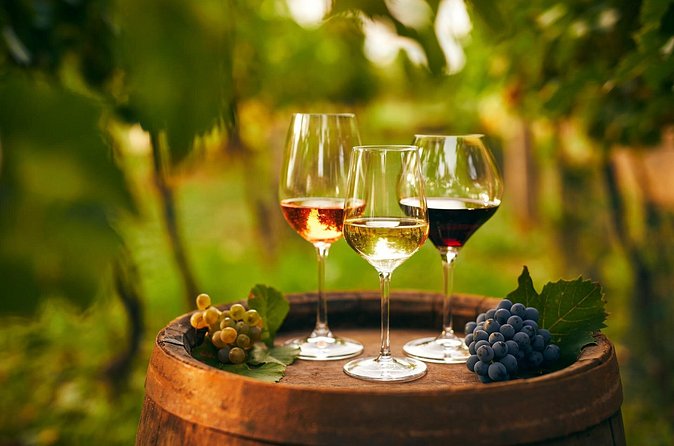
Wine tasting gets much better when food helps you read the flavors. This tour includes carefully selected local cheeses and delicacies paired with each tasting.
You can treat this as a practical skill upgrade. Pairing teaches you to pay attention to how texture and saltiness change your perception of wine. Even if you do not consider yourself a foodie, cheese is a useful baseline because it gives you an immediate comparison.
It also makes the tour feel more complete within the 1-hour format. Without food, tastings can feel like a sprint. With cheese and local bites, you get little “rest points” where you can reset your palate and keep the experience enjoyable rather than rushed.
If you are sensitive to strong flavors, take your time. Ask the guide to slow down if you need it. With a max of 15 travelers, it should be possible to manage pacing.
And if you are traveling with a person who is not obsessed with wine, this part usually works well. People often enjoy the food even when they are still deciding what they think about the wine.
Cappadocia terroir in plain terms, and why it affects the tasting
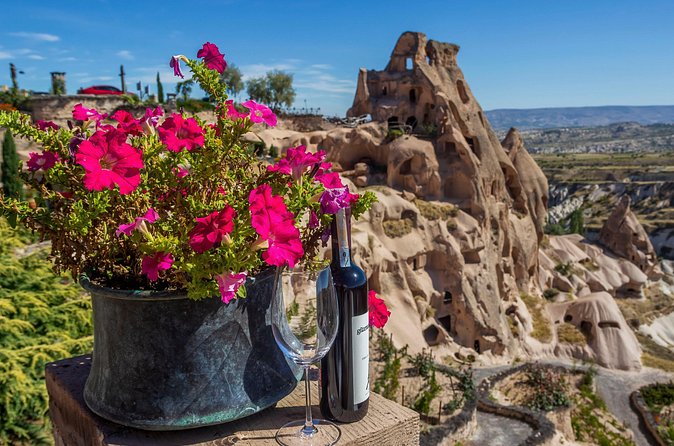
The tour sets up Cappadocia terroir as the foundation for what you taste. It specifically points to volcanic soil, high altitudes, and a cool climate. The guide explains how these features contribute to Cappadocia wines’ distinct character.
The practical benefit of this approach is that it gives you a framework. Instead of trying to memorize taste notes like a sommelier, you start looking for the regional logic. High altitude and cool climate are not just trivia. They are part of the story that turns grapes into something shaped by place.
Volcanic soil is especially fitting for Cappadocia. Even if you have never studied soils, you can see volcanic geology in the region’s dramatic scenery. The tour uses those connections, so the wine does not feel like it comes from nowhere.
For you, this is a good kind of storytelling. It does not ask you to be technical. It gives you a few anchor points, then lets your tasting experiences connect them to real flavors.
If you want to remember something later, remember the three pillars the guide covers: volcanic soil, altitude, and cool climate.
Valley views, fairy chimneys, and why the scenery is more than decoration
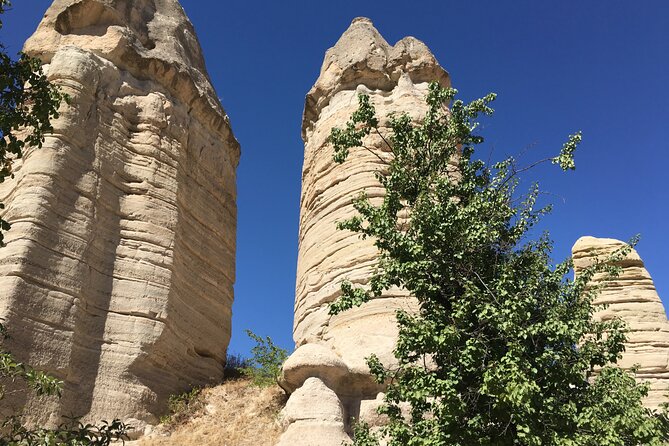
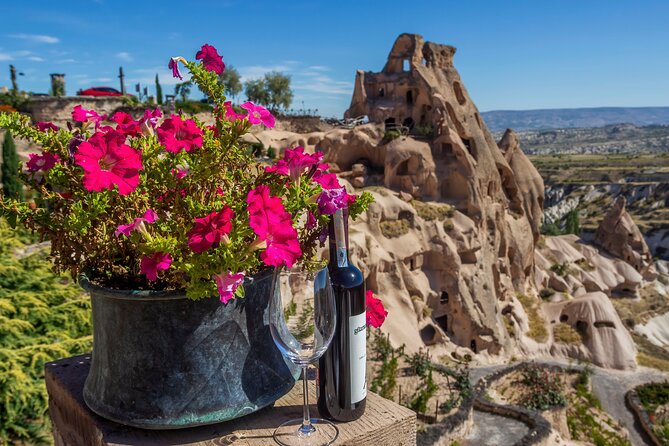
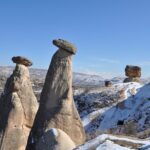
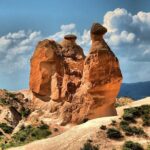
Cappadocia’s scenery is famous for a reason. This experience leans on that by including panoramic views of the valleys during the tour, in a setting shaped by fairy chimneys, volcanic valleys, and cave dwellings.
The scenery portion can feel like filler on some tours. Here, the aim is to help you understand the environment behind winemaking, not just take photos and move on. When you can look over volcanic terrain and rock formations while tasting wine tied to local grapes, the setting becomes part of the explanation.
What to do with the views:
- Take a moment to look beyond the fairy chimneys. Notice the patterns in the valley shapes and rock colors.
- Use those impressions to think about why certain plants and practices fit here.
- If the guide is actively explaining, keep your attention on their connection between place and wine rather than only the photo frame.
In a short experience like this, even a few minutes with a view can make the tasting stick in your memory. It turns “wine tasting” into a mini sense-making session about Cappadocia.
Also, the tour description emphasizes the pairing of visuals and history. That is what makes it feel like a culture stop, not just a drink stop.
Price, group size, and whether $78.09 is fair value
The price is $78.09 per person for about 1 hour, with English offered and a small maximum group size of 15 travelers.
Is that expensive? It can be, depending on what you expect. You are not paying for a long winery lunch. You are paying for:
- guided access to a winemaking setting with cellars carved into soft rock
- meet-and-learn style winery time
- tasting of regional wines made from indigenous varieties
- cheese and local delicacies pairing
- valley-view moments tied to the story of the place
So the value depends on your travel style. If you just want to sip a little wine and move on, you may feel you could do it on your own for less. If you care about context, this price can feel more justified because the tour compresses a lot into one guided hour.
Group size is a real factor for value here. With a max of 15, you are more likely to get actual conversation instead of being one face in a big crowd. In a tasting, that matters because you want to ask, compare, and understand what you are experiencing.
My practical advice: treat this as a “Cappadocia intro tasting with food” rather than a full wine education program. If you want deeper wine immersion, look for longer winery experiences. If you want a strong, efficient tasting stop, this one makes sense.
What to look for in your guide and how to get more out of the tasting
The tour description says you will have an experienced local guide, and the format suggests the guide plays a key role in making the experience clear. In similar Cappadocia tours run by the same operator, guides like Jacob or Yakup have been praised for strong geography and history explanations, plus fun, engaging delivery. Others, like Eda or Ada, have been noted for clear explanations and keeping things lively.
I cannot promise which guide you will get, but you can use this as a selection filter for yourself. When you arrive, watch how your guide explains. If they give you an easy-to-follow path through the tasting and actually connect wine to Cappadocia’s features, you will enjoy it more. If you feel lost, ask for a quick re-start. A good guide will adapt.
To get more from the experience in a short time:
- Ask what each indigenous grape is showing you.
- Use the cheese pairing to reset your palate between wines.
- If there are history moments mentioned, connect them to what you are seeing in the cellar or winery space.
This is also a tour style that works well if you like questions. With a smaller group, asking something is not a major interruption.
Who this Cappadocia wine tasting works best for
This is a strong fit for:
- Wine-curious travelers who want local grapes and real context, not just a casual tasting
- History and culture first-timers who like understanding how practices revived and changed
- Couples and small groups who want a guided plan without a long day
- Anyone who likes pairing moments, since cheese and local delicacies are included
It might be less ideal if:
- you prefer self-paced winery wandering
- you only want a light taste and do not care about explanations
- you are hoping for a long meal or extended time inside multiple wineries
Because it is about 1 hour, it is a great “add-on day” experience. Pair it with a morning or afternoon activity in Cappadocia, and you get a satisfying cultural stop without burning your whole day.
Should you book Cappadocia Wine Tasting Experience?
Book it if you want a short, guided Cappadocia wine stop with indigenous grapes, rock-cut cellar time, and cheese pairings, all tied to the region’s volcanic setting. The small group size and English offering are real advantages if you want to follow along and ask questions.
Skip it, or consider a longer alternative, if you are the kind of traveler who needs lots of free time to linger and explore. With only about 1 hour, you will not get a slow, in-depth winery day.
My final take: if your goal is to leave Cappadocia understanding what makes its wine local, not just tasting wine, this is a smart bet. The format is tight, but the content is focused, and that usually leads to a tour you remember.
FAQ
How long is the Cappadocia wine tasting experience?
It lasts about 1 hour.
Where does the tour start and where does it end?
It starts at Salkım Şarap Evi, Wine House, Yukarı, Edip Akbayram Sk. No:60, 50100 Avanos/Nevşehir, Türkiye, and it ends back at the same meeting point.
Is the tour offered in English?
Yes, the experience is offered in English.
How many people are in the group?
The tour has a maximum of 15 travelers.
What wines or grape varieties are included?
The tasting includes regional wines made from indigenous grape varieties such as Kalecik Karası, Emir, and Öküzgözü.
Is free cancellation available?
Yes. You can cancel up to 24 hours in advance for a full refund. If you cancel less than 24 hours before the start time, the amount you paid is not refunded.
Newest bookings in Goreme
Wine Tours, compared.

Cappadocia Balloon Ride with Breakfast, Champagne AT GOREME OVER
Read our review →
Cappadocia Hot Air Balloon with Pickup, Breakfast & Champagne
Read our review →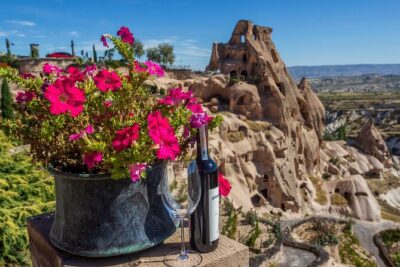
Cappadocia Half-Day Fairy Chimneys Guided Tour with Wine Tasting
Read our review →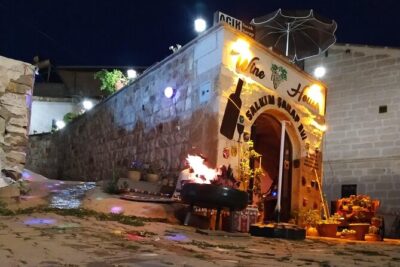
Wine Tasting in Cappadocia Turkey – Introduction of local wines
Read our review →
Cappadocia Hot Air Balloon Ride with Breakfast and Champagne
Read our review →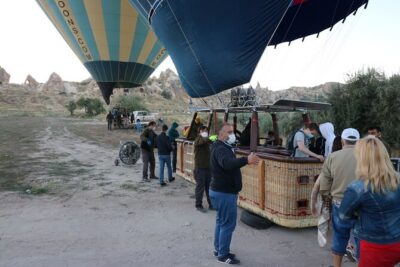
Hot Air Balloon Flight in Cappadocia with Champagne
Read our review →
Cappadocia Private Jeep Safari Tour with Hotel Pickup & Champagne
Read our review →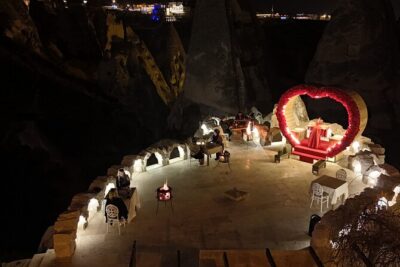
Browse the lists this tour appears in